


The best fertilizer for your Brussels sprouts depends on the plants’ stage of life and your soil. Our top fertilizers for Brussels sprouts are:
- Lilly Miller 5-10-10
- Triple 10 Liquid Fertilizer
- Ultimate Fertilizer 10-20-10
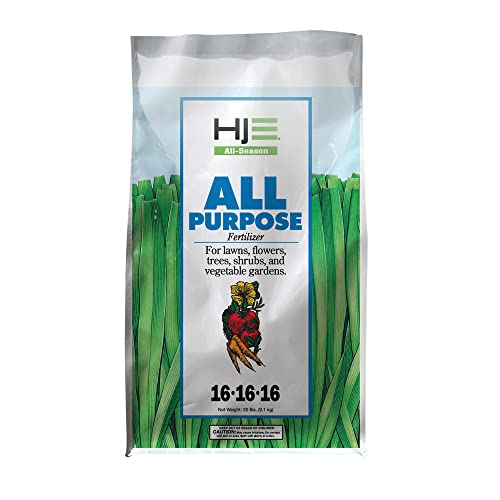
- Howard John All-Purpose 16-16-16 Fertilizer
- Down to Earth Organic 4-4-4 Fertilizer
Below we’ll cover why we picked these fertilizers, what specific situations they are best for, and how to use them to grow the best Brussels Sprouts possible. Each of our recommendations is backed up with information to help you cultivate an incredible vegetable garden.

Choose a Fertilizer Designed for Brussels Sprouts
In the early stages of growth, Brussels sprouts need a fertilizer with plenty of phosphorus to help them develop healthy roots. It is also essential for Brussels sprouts to be fed with high-potassium fertilizer throughout their development so they can develop large buds (the edible portion of the plant).
Although nitrogen is essential for healthy Brussels sprouts, it’s critical not to overfeed your plants with nitrogen. Too much nitrogen results in a lot of leafy growth but fewer, smaller buds.
Plan to Fertilize Often
Brussels sprouts require a lot of nutrients to grow delicious, edible buds. So, you will need to fertilize your sprouts several times before harvest. The type of fertilizer you use—as well as how much you feed your plants—changes as the Brussels sprouts grow. However, Brussels sprouts are considered heavy feeders at all stages. So, plan for additional fertilizer applications after planting.
5 Best Brussels Sprouts Fertilizers
There is no single fertilizer that results in amazing Brussels sprouts in every garden. So, we made a careful selection of fertilizers. Below, we’ll guide you through the top fertilizer choices for each stage of life, as well as our specific fertilizer selections for different soil types.
Best Granular Starter Fertilizer: Lilly Miller Morcrop 5-10-10
If your soil is sandy or silty, it’s essential to feed young Brussels sprouts plants with granular fertilizer. Liquid fertilizer will wash out of these soils before your sprouts can absorb the nutrients. Lilly Miller’s Tomato and Vegetable food has a 5-10-10 nutrient balance that is great for encouraging healthy root development without forcing too much leafy growth. Before you plant Brussels sprouts, invest in this fertilizer.
- Use this 5-10-10 fertilizer from Lily Miller to prepare sandy or silty soil before you plant Brussels sprouts.
- Do not use a liquid fertilizer for sandy or silty soil.
- Spread 5 pounds of fertilizer onto the soil for every 100 square feet of garden.
- Mix the fertilizer into the top 6 inches of soil.
Before planting your Brussels sprouts, spread five pounds of Lilly Miller Morcrop 5-10-10 over every 100 square feet of soil where the sprouts will be planted. After spreading the fertilizer, use a rake or hoe to mix it into the top six inches of soil. Now, when you plant, your Brussels sprouts will have nutrient-rich soil to encourage healthy roots, stems, and leaves.

Top-Rated Liquid Starter Fertilizer: Triple 10 Liquid Fertilizer
If you are starting your Brussels sprouts in a region with hard water or clay soil, you’ll get the best results with a “Triple 10” liquid fertilizer. Granular fertilizers break down poorly in hard water. Meanwhile, heavy soils retain the nutrients in liquid fertilizer. So, you’ll create a nutrient-rich environment for young Brussels sprouts with a balanced liquid fertilizer.
- If you are growing Brussels sprouts in heavy soil or clay soil, this Triple 10 liquid fertilizer is the best choice for baby Brussels sprouts.
- It is also best to use a liquid fertilizer if you have hard water in your area.
- Plant your Brussels sprouts before applying fertilizer.
- After planting, water your new transplants with liquid fertilizer mixed in water.
To use this fertilizer, first plant your young Brussels sprouts in loosened garden soil. Then, mix two ounces of Triple 10 fertilizer into one gallon of water. Use this mixture to water five to 10 baby Brussels sprouts. Water until the soil is moist, but not soggy or muddy. In dry weather, one gallon will water five plants. Meanwhile, moist conditions will allow you to water up to 10 plants with a single gallon of liquid fertilizer.

Favorite Brussels Sprouts Growth Booster: Ultimate Fertilizer 10-20-10
Once your Brussels sprouts have established themselves, feed them with a healthy dose of 10-20-10 fertilizer. This nutrient balance provides plenty of nitrogen and potassium for leaf and bud development. It also has a sizable dose of phosphorus to ensure your Brussels sprouts develop strong roots that help the plants survive cold and pull more nutrients from the ground.
- The 10-20-10 Ultimate Fertilizer is a fantastic fertilizer for newly established Brussels sprouts.
- Apply this fertilizer 3 to 4 weeks after planting.
- Sprinkle 1 tablespoon of 10-20-10 around the base of each Brussels sprout.
- Water immediately after fertilizing.
Wait three to four weeks after initial planting and fertilization before you apply 10-20-10. When the time is right, side dress each of your Brussels sprouts with one tablespoon of the fertilizer. To do this, sprinkle the fertilizer in a ring around the base of the plant, about three inches from the stalk. Then, water to pull the fertilizer into the soil. Repeat this application every three to four weeks until a month before harvest.

Top Balanced Fertilizer: Howard John All-Purpose 16-16-16
Instead of 10-20-10, you can get excellent results by side-dressing Brussels sprouts with a balanced fertilizer. 16-16-16 is my favorite. The higher potassium content is great for sprouts that are struggling to produce leaves and buds when fed with 10-20-10. However, if you notice your sprouts are growing lots of leaves and no buds when fed with 16-16-16, switch to 10-20-10 to ensure a good harvest.
- This 16-16-16 fertilizer is an excellent alternative to 10-20-10 in many gardens.
- Use 16-16-16 to encourage healthy growth in Brussels sprouts that are struggling to produce leaves and buds one month after planting.
- Side dress with one tablespoon of 16-16-16 per-plant.
- Repeat the 16-16-16 application every 3–4 weeks until one month before harvest.
When side-dressing with 16-16-16, use the same one-tablespoon method we discussed for 10-20-10 fertilizer. Repeat the application every three to four weeks beginning one month after planting. You’ll get vigorous Brussels sprouts growth.
Winning Organic Fertilizer: Down to Earth Organic 4-4-4
You don’t need to use synthetic fertilizer to grow excellent Brussels sprouts. Instead, plant your sprouts in soil mixed with compost. Then, use Down to Earth Organic 4-4-4 fertilizer to feed the plants as they grow. You’ll grow sprouts with rich flavor and plenty of size.
- This 4-4-4 fertilizer from Down to Earth is excellent for feeding Brussels sprouts.
- Make your first application 4 weeks after planting your sprouts.
- Side dress each plant with 2 tablespoons of fertilizer.
- Repeat this application every 2 weeks as your sprouts grow.
- Stop fertilizing 4 weeks before harvest time.
Because organic fertilizer has lower concentrations of nutrients than synthetics, you’ll need to apply it slightly differently. Begin feeding your Brussels sprouts one month after planting. Apply 2=two tablespoons of 4-4-4 fertilizer in a ring around each plant. The ring should be three inches from the stalk. Water after fertilizing. Repeat this application every two weeks. Then, stop fertilizing one month before you harvest your organic Brussels sprouts.

What is the Best Fertilizer for Brussel Sprouts?
When planting new Brussels sprouts, use a 5-10-10 granular fertilizer for sprouts grown in silty or sandy soil. If your soil has large amounts of clay, use a 10-10-10 liquid fertilizer after planting, instead of granular fertilizer.
After planting, wait three to four weeks before fertilizing again. Then, side dress your Brussels sprouts with 10-20-10 or 16-16-16 fertilizer once every three to four weeks.
If you choose to use an organic fertilizer to feed your growing Brussels sprouts, side dress the plants with 4-4-4 organic fertilizer every two weeks. Stop all fertilizer applications four weeks before harvest to get the best sprouts.


